Reasons Electronics Recycling Can Support Businesses Reach Sustainability: Green Initiatives for Business Operations
Electronics recycling offers a paramount opportunity for entities endeavoring to bolster their ecological initiatives. By managing e-waste effectively, enterprises can reduce their ecological repercussions and retrieve valuable resources. Also, adopting these methodologies can fortify corporate perception with environmentally responsible patrons. Conversely, many enterprises might overlook the complexities involved in implementing a successful waste reduction scheme. Grasping these particulars is paramount for steering the direction toward sustainable endeavors and capturing long-term benefits.
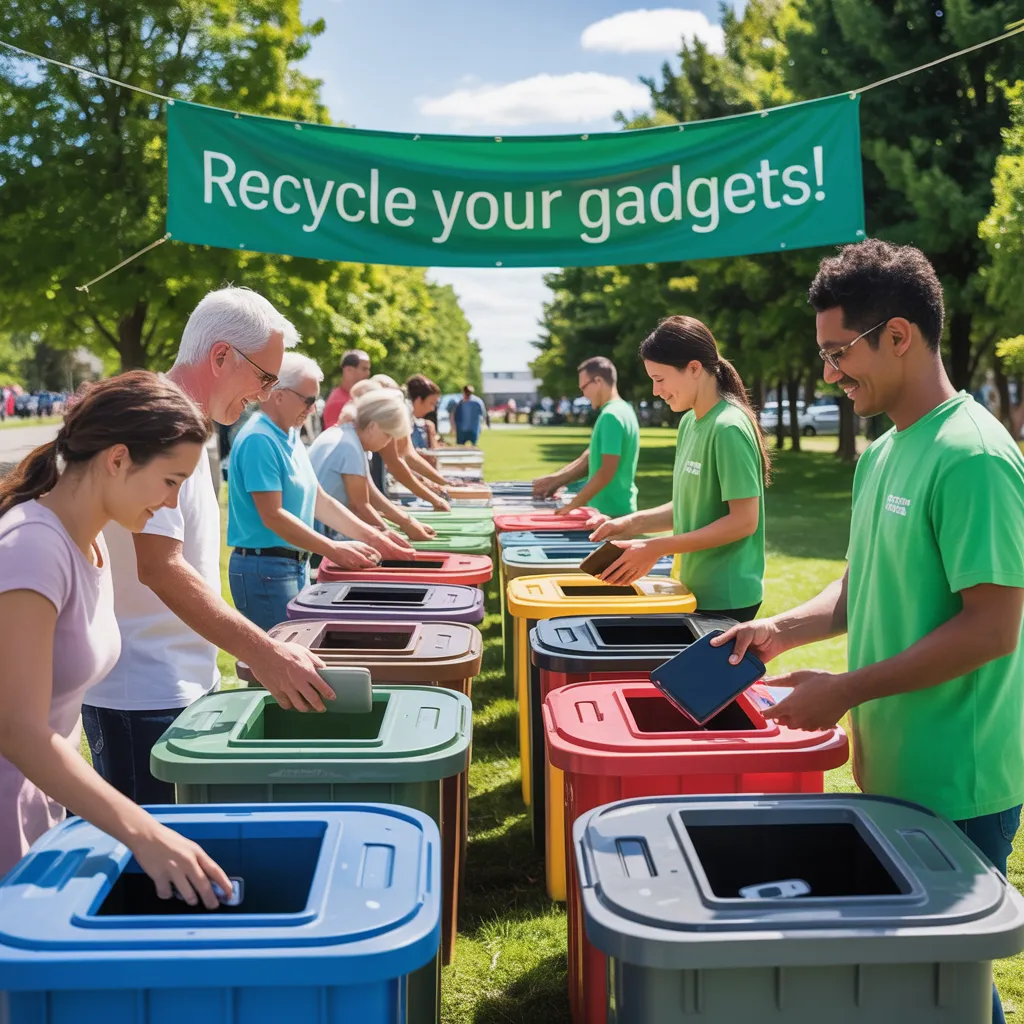
The Key Benefits of Electronics Reuse Programs for Businesses
Although many enterprises may disregard the importance of electronics recycling, it functions as an vital role in advancing sustainability and lowering environmental impact. As technological advancements accelerates, companies consistently refresh their electronic devices, resulting in a mounting volume of e-waste. Effective recycling guarantees that valuable resources are reclaimed, lessening the requirement for new material extraction and conserving energy.
Furthermore, taking part in electronics recycling can strengthen a company's credibility. Consumers progressively prefer businesses focused on sustainable practices, and displaying responsibility in managing e-waste can draw environmentally minded customers. Compliance with regulations regarding electronic waste also shields businesses from potential legal liabilities and fines.
Moreover, recycling can yield monetary benefits. By sustainably managing outdated electronics, companies can cut waste disposal fees and retrieve financial value from recyclable materials. Overall, adopting electronics recycling is not just an principled choice; it is a strategic business decision that endorses modern sustainability goals.
How Electronics Reprocessing Decreases Environmental Damage
Electronics recycling serves a vital role in curtailing environmental consequences by conserving natural resources and minimizing e-waste pollution. By reclaiming valuable materials, this approach supports the advocacy of circular economy principles. As enterprises participate in accountable recycling, they contribute to a more green future.
Maintaining Natural Resources
Recycling electronics considerably aids the conservation of natural resources by reclaiming valuable elements. Many electronic devices contain precious metals such as gold, silver, and palladium, which are extractable and reusable. This process lowers the necessity of mining, a resource-heavy operation that depletes ecosystems and uses significant energy. Moreover, recycling assists in recovering rare earth elements that are necessary in manufacturing new technologies. By diverting electronic waste from landfills, businesses also diminish the environmental impact of resource extraction but also promote a circular economy. This sustainable habit allows companies to reduce their carbon footprint, lower production costs, and champion environmental stewardship, ultimately fostering a healthier planet for future generations. Through responsible recycling, businesses can lead the way in conserving essential natural resources.
Mitigating E-Waste Degradation
A large fraction of international waste contains electronic devices, which contribute to escalating environmental pollution. Improper disposal of e-waste emits hazardous materials, such as heavy metals and toxins, which pollute soil and water sources. The recycling of electronics reduces these dangers by making sure harmful parts are handled safely and responsibly. Recycling reuses materials such as metals, plastics, and glass, which reduces the need to extract new resources, thereby lessening environmental damage. Additionally, recycling programs support the responsible disposal of outdated devices, helping businesses comply with environmental regulations. By engaging in electronics recycling, companies not only lower their carbon footprint but also encourage a healthier ecosystem. This proactive approach demonstrates corporate responsibility while tackling the pressing issue of e-waste pollution effectively.
Promoting Circular Economy Methods
Launching extensive electronics recycling initiatives acts as an indispensable cornerstone in nurturing circular economy models. Through handling electronic waste, corporations can substantially diminish the demand for raw resources, accordingly safeguarding irreplaceable resources and mitigating environmental decline. Such practice enables the reclamation of valuable materials, extending the lifecycle of commodities and decreasing the proportion of electronic waste sent to landfills. Similarly, by taking on sustainable economic principles, entities can strengthen their brand reputation and align with consumer demand for sustainable practices. Championing thoughtful recycling practices additionally stimulates breakthrough innovations in industrial design, encouraging manufacturers to create devices that work better for disassembly and recycling. Fundamentally, integrating electronics recycling into business practices supports a more sustainable future, benefiting both the natural world and the economy.
Primary Gains of Electronics Recycling for Companies
Electronics reprocessing offers substantial benefits for companies, mainly through reduced expenses and ecological footprint decrease. By properly recycling outdated equipment, companies can reduce disposal costs and recover valuable materials. Additionally, adopting sustainable disposal methods improves corporate responsibility and encourages sustainability efforts.
Cost Minimization Avenues
Many businesses are identifying substantial savings through efficient e-waste recycling practices. By introducing these efforts, companies can reduce disposal fees associated with e-waste, as recycling often costs less than landfill disposal. Beyond that, precious materials recovered from old electronics can be marketed, yielding revenue and compensating for replacement costs. Streamlined recycling approaches also minimize storage costs for aged equipment, freeing up valuable office space. Moreover, many organizations enjoy from tax incentives related to sustainable practices, presenting another layer of financial advantage. In conclusion, adopting electronics recycling not only promotes corporate responsibility but also fosters economic efficiency, enabling businesses to allocate resources more effectively and strengthen their bottom line.
Lowering Environmental Impact
A considerable decrease in ecological impact is one of the fundamental advantages enterprises enjoy when they establish comprehensive electronics waste management. By refurbishing discarded devices, institutions can limit toxic debris, such as hazardous compounds and noxious waste, that can pollute terrestrial and marine environments. This not only plays a role in protecting natural reserves but also minimizes the emissions footprint stemming from fabricating modern electronics. Additionally, managing reduces energy consumption, as it often requires minimal electricity to work with reclaimed materials than to obtain and refine raw material supplies. As bodies execute these approaches, they advance sustainable economic systems, encouraging ecological conservation and responsibility. Ultimately, ethical recycling practices enables entities to strengthen environmental standing while helping the environment.
How to Formulate a High-Performing Electronics Recovery Method
Creating a effective e-waste recycling plan demands thorough preparation and execution. Companies should start by assessing their current electronic waste management procedures to pinpoint opportunities for improvement. This assessment should encompass an catalog of obsolete devices and an appraisal of disposal methods.
Initially, institutions need to specify measurable goals regarding their sustainability efforts, which might include decreasing waste volumes, improving recycling success rates, or strengthening sustainability measures. Engaging employees through training workshops establishes an atmosphere of ecological responsibility and supports involvement in green initiatives.
Additionally, formulating a timeline and budget is vital for tracking progress and ensuring resources are distributed efficiently. Frequently assessing and revising the strategy based on feedback and changing regulations helps sustain adherence and effectiveness. By integrating these elements, companies can develop a strong electronics recycling program that not only helps the environment but also supports corporate accountability and improves their sustainable image.
How to Select the Right Electronics Waste Management Provider
How can a company guarantee its e-waste recycling vendor aligns with its sustainability goals? Selecting the appropriate recycling partner requires comprehensive assessment of their practices and credentials. Companies should look for partners who hold established certifications, such as R2 or e-Stewards, which confirm adherence with environmental standards.
Moreover, firms should inquire about the partner recycling operations, including the methods used to handle harmful waste and the rate of recycled items versus those going to landfills. Transparency in reporting and data management practices is also required.
Moreover, a strong standing in the industry can be indicative of reliability; businesses may profit from reviews and testimonials from other clients. Participating in open communication about sustainability goals will help ensure alignment. Ultimately, selecting a partner committed to responsible waste management can significantly improve a corporation's overall green initiatives.
Refuting Typical Myths About Electronics Reuse
While many organizations understand the significance of electronics recycling, a number of myths remain that can obstruct efficient practices. One widespread misconception is that all electronics can be disposed of in common recycling bins. In reality, particular facilities are required to handle electronic waste safely. Another myth implies that recycling electronics is too expensive for businesses. In fact, many recycling programs supply free or low-cost services that can ultimately save companies money by lowering waste disposal fees. Additionally, some think that data security concerns make recycling too dangerous. However, reputable recycling partners deliver certified data destruction services, ensuring sensitive information is safely handled. Finally, there is a notion that recycling electronics has minimal environmental impact. In truth, proper recycling substantially reduces e-waste in landfills and preserves valuable resources. Debunking these myths is crucial for businesses aiming to implement sustainable practices and contribute positively to the environment.
Tracking Your Electronics Recycling Success
Businesses that successfully debunk myths about electronics recycling often find themselves enthusiastic to measure their progress. Recording key performance indicators is essential for evaluating the effectiveness of recycling efforts. Metrics such as the volume of e-waste recycled, the percentage of materials recovered, and cost savings can provide valuable insights.
Additionally, businesses should assess their emissions decrease and compliance with environmental standards. Mobilizing employees through awareness initiatives can also be measured by participation levels in recycling programs.
Including customer feedback can additionally strengthen knowledge of the recycling program's influence. Consistent audits and analysis on these metrics not only highlight accomplishments but also identify areas for improvement.
In the end, a carefully planned approach to tracking electronics recycling success empowers businesses to make data-driven decisions, encouraging a culture of sustainability that benefits both the environment and the organization.
Common Questions Asked Often
Which Varieties of Electronics Are Capable of Being Reprocessed?
Numerous categories of electronics are recyclable, encompassing computers, smartphones, tablets, televisions, printers, and gaming consoles. These items often contain valuable materials that can be reused, lowering waste and promoting environmental stewardship.
How Frequently Should Companies Dispose of Their Electronic Devices?
Businesses should dispose of responsibly their electronics at least once a year, or more often depending on technological upgrades and asset replacement. Consistent recycling practices ensures efficient resource management and compliance with eco-friendly laws, promoting environmental responsibility across the company.
Are There Expenses Associated With Electronics Recycling?
Yes, there are fees connected to electronics recycling, encompassing gathering, transportation, and processing charges. However, these costs can be counterbalanced by prospective savings from decreased waste disposal and compliance with environmental requirements.
Does Recycling Electronics Pose Data Protection Risks?
Yes, recycling electronics can result in data security risks if correct measures are not kept. Sensitive information may be carelessly revealed during the recycling process, illustrating the importance of secure data destruction methods before throwing away.
What Certifications Should a Recycling Partner Have?
A reliable environmental service provider should hold qualifications such as R2, e-Stewards, and ISO 14001. These credentials ensure conformity with ecological requirements, cybersecurity measures, and additional resource ethical waste handling, safeguarding both the ecosystem and confidential records.